
Unwholesome Tomatoes on the Table: A Growing Public Health Concern in Ghana
By Ebenezer Yamoah
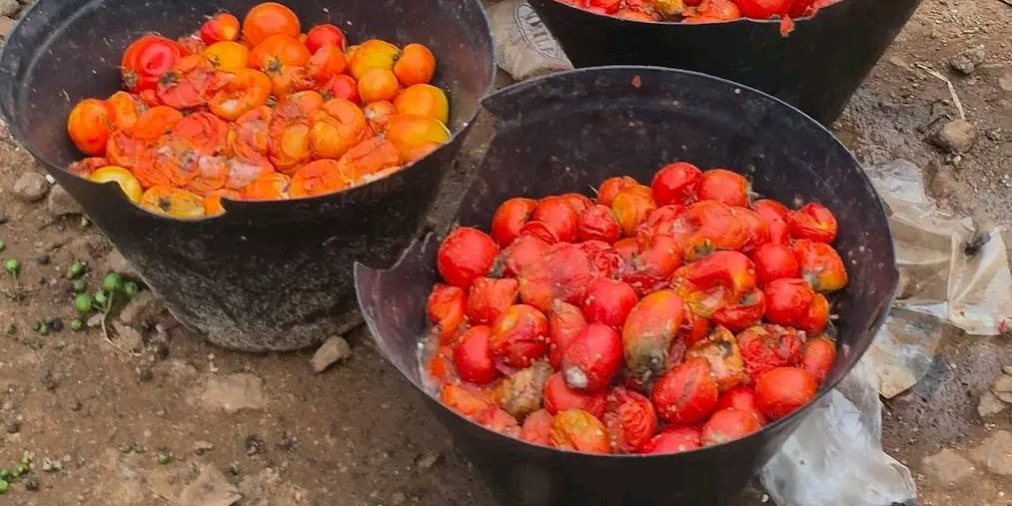
The sale and use of unwholesome vegetables for food preparation have emerged as a growing public health concern in Ghana, raising questions about food safety, consumer protection, and regulatory oversight. Public reactions collected from a wide range of individuals reveal widespread anxiety about the practice. it is feared and reported the use of rotten tomatoes and peppers by some food vendors and commercial food establishments (chop bars).
Tomatoes are a staple ingredient in many Ghanaian dishes, including stews, soups, and pepper sauces. However, when tomatoes become spoiled, they may harbour molds, bacteria, and other contaminants that can compromise food safety. While some consumers believe that thorough cooking eliminates all risks, others argue that certain harmful substances may persist despite heating.
Public Fears About Food Safety
The dominant concern expressed by individuals relates to the potential health risks associated with consuming food prepared with rotten tomatoes. Many respondents associated the practice with foodborne illnesses, bacterial contamination, mold growth, and long-term health effects. Several people specifically mentioned concerns about toxins produced by molds and the possibility of increased risks of chronic diseases.
One individual stated that:
“This is a clear contamination of Aspergillus flavus or parasiticus.”
Another respondent warned that:
“Mold toxins may remain even after cooking.”
Others expressed broader fears about the cumulative health effects of consuming foods prepared with spoiled ingredients:
“These food vendors are killing us slowly.”
“It gives a lot of health issues.”
These concerns reflect a broader public perception that spoiled produce should not enter the human food chain under any circumstances. The belief that some vendors intentionally purchase rotten vegetables because they are cheaper has heightened fears among consumers and contributed to declining trust in commercially prepared food.
Distrust of Food Vendors
A recurring theme in the discussions was distrust of food vendors and commercial food establishments. Numerous respondents stated that the issue reinforces their preference for preparing meals at home rather than purchasing food from restaurants, chop bars, waakye vendors, and other street food operators.
Several people reported avoiding food sold outside the home altogether. As one respondent stated:
“One of the reasons I don’t buy food outside.” (R7)
Another added:
“Reason why I prefer home-cooked food.” (R8)
Also, some people suggested that some food sellers prioritize profit over consumer welfare by using low-cost spoiled ingredients to reduce operating expenses.
One participant remarked:
“Some food sellers wouldn’t mind sacrificing your health so they can make money.” (R5)
Similarly, another respondent argued:
“Food sellers care more about money than people’s health.” (R6)
Such perceptions, whether accurate or not, have important implications for the reputation of the food service sector and consumer confidence in food safety standards.
The Role of Commercial Grinding Mills
Another significant issue raised by respondents concerns hygiene practices at commercial grinding mills. Participants repeatedly described grinding facilities as potential points of contamination, citing poor sanitation, inadequate cleaning procedures, and improper handling of food products.
“Visit the mills too; the conditions are unhygienic.” (R9)
“There is often no proper washing at the grinding mills.” (R10)
“If you visit where they grind all this, I swear you won’t buy food outside.” (R11)
Many contributors argued that even if rotten tomatoes are washed before processing, the hygienic conditions under which they are ground remain questionable. The repeated references to grinding mills suggest that food safety interventions should not focus solely on food vendors but also on facilities involved in food processing and preparation.
Economic Pressures Behind the Practice
The discussions also highlighted the economic realities that may drive the purchase and use of spoiled produce. Several respondents noted that rotten tomatoes are often sold at significantly lower prices than fresh produce, making them attractive to vendors operating on thin profit margins.
Rising food prices and economic pressures may encourage some businesses to seek cheaper alternatives to maintain affordability for consumers. However, cost-saving measures that compromise food safety can have serious public health consequences and undermine consumer trust.
Some opinions shared included the following;
“Vendors buy spoiled vegetables because they are cheaper and can still be sold.” (R12)
“People buy them because they are cheaper.” (R13)
Some people acknowledged the economic pressures facing food vendors. As one respondent noted:
“If they buy expensive ingredients, people complain their food is expensive.” (R14)
These observations suggest that financial considerations may influence decisions regarding ingredient selection, particularly in a context of rising food prices.
Personal Responsibility Versus Regulatory Enforcement
Public opinion was divided regarding responsibility for addressing the problem. There are those who argued that regulatory bodies should strengthen inspections, enforce food safety standards, and sanction individuals involved in the sale and use of spoiled food products.
Others contended that the issue is primarily one of personal ethics and accountability. According to this perspective, no amount of regulation can eliminate the problem if vendors knowingly choose to use unsafe ingredients. These respondents emphasized the importance of moral responsibility among food handlers and business owners.
Misconceptions About Cooking and Food Safety
The discussions revealed conflicting beliefs about whether cooking can eliminate the risks associated with rotten tomatoes. While some participants maintained that thorough boiling or cooking makes spoiled tomatoes safe for consumption.
For example, one participant stated:
“There’s nothing wrong with it if it is washed and cooked thoroughly.” (R19)
Another argued:
“All you need is to boil it.” (R20)
However, this view was challenged by others. One respondent remarked:
“People think boiling makes everything edible.” (R21)
The divergent opinions highlight gaps in public understanding of food safety and the limitations of heat treatment in eliminating certain contaminants.
Scientific evidence suggests that cooking can destroy many microorganisms but may not completely eliminate all toxins produced by certain molds; certain toxins and contaminants may remain even after heat treatment. Consequently, food safety experts generally recommend discarding visibly spoiled produce rather than attempting to salvage it for human consumption.
Implications for Public Health
The widespread concern expressed by participants demonstrates that the issue extends beyond individual food choices and touches on broader questions of food security, public trust, and health protection. If consumers believe that spoiled ingredients are commonly used in food preparation, confidence in food vendors and the wider food system may deteriorate.
Addressing this challenge requires a multifaceted approach involving stronger food safety education, improved monitoring of food processing facilities, enhanced regulatory enforcement, and increased awareness among both vendors and consumers. Food handlers should be encouraged to prioritize safe food practices, while consumers should be empowered to demand higher standards of hygiene and food quality.
Conclusion
The sale and use of rotten tomatoes represent more than a food quality issue; they are a matter of public health and consumer protection. The opinions gathered reveal widespread concern about contamination, inadequate sanitation, and the economic incentives that may encourage unsafe practices. While opinions differ regarding the severity of the risks and the effectiveness of cooking in reducing them, there is broad agreement that greater attention must be paid to food safety throughout the supply chain. As one participant succinctly observed, “People should know rotten tomatoes are dangerous without being told” (R22), reflecting the strong public sentiment that food safety must remain a priority for both vendors and regulators.
Protecting public health requires collective action from regulators, food vendors, processing facilities, and consumers. Ensuring that only safe, wholesome ingredients enter the food system is essential for maintaining public confidence and safeguarding the health of communities across Ghana.