Global Guideline on GLP-1 Medicines for Obesity Treatment
FANIS News Article — 1 December 2025
The World Health Organization (WHO) has released its first global guideline on the use of Glucagon-Like Peptide-1 (GLP-1) therapies for treating obesity—an increasingly urgent public health concern affecting more than 1 billion people worldwide. Obesity, now recognized as a chronic and relapsing disease, contributed to an estimated 3.7 million deaths globally in 2024. Without robust, coordinated action, the number of people living with obesity is projected to double by 2030.
For Ghana and the broader African region—where the double burden of malnutrition is rapidly intensifying—this new guidance offers timely direction as countries work to integrate effective, equitable, and evidence-based obesity treatment options into health systems.
In September 2025, WHO added GLP-1 therapies to its Essential Medicines List for managing type 2 diabetes in high-risk populations. With the new guideline, WHO now provides conditional recommendations on using the same medicines for long-term obesity management, as part of a broader strategy that includes healthy diets, regular physical activity, and ongoing professional support.
Dr. Tedros Adhanom Ghebreyesus, WHO Director-General, emphasized the importance of comprehensive, lifelong care:
“Obesity is a major global health challenge. Our new guidance recognizes it as a chronic disease that requires sustained support. While medication alone cannot solve this crisis, GLP-1 therapies can help millions overcome obesity and reduce its associated harms.”
Obesity: A Growing Multisectoral Challenge
Obesity drives major noncommunicable diseases; this includes cardiovascular disease, type 2 diabetes, and several cancers and also worsens outcomes for many infectious diseases. Economically, the global cost of obesity is projected to reach US$ 3 trillion annually by 2030, straining health systems, households, and national development efforts.
These impacts are strongly felt in Ghana, where rising overweight and obesity coexist with persistent undernutrition, creating a complex public health challenge. The new WHO guideline provides evidence-based options to help countries—including Ghana—manage the escalating burden.
Key Highlights of the New WHO Guideline
1. Conditional Recommendation for GLP-1 Use in Adults
WHO recommends that adults (excluding pregnant women) may use GLP-1 therapies for long-term obesity treatment. Although evidence shows significant benefits for weight loss and metabolic outcomes, the recommendation remains conditional due to:
-
limited long-term safety data
-
high cost of treatment
-
availability and supply constraints
-
system readiness
-
equity considerations
2. Behavioural Interventions Should Accompany Medication
Structured dietary guidance, physical activity support, and lifestyle counselling may enhance treatment outcomes. WHO notes low-certainty evidence, but recognizes behavioural support as essential to sustainable results.
Why Medications Alone Are Not Enough
WHO stresses that obesity cannot be solved through medical treatment alone. A broader multisectoral approach is needed, built on three pillars:
-
Healthier food environments through strong policy action.
-
Early screening and targeted support for individuals at high risk.
-
Access to lifelong, person-centred care, supported by trained health professionals.
For Ghana, this reinforces ongoing efforts to strengthen food environments, improve preventive screening, and integrate nutrition into health and social protection systems.
Ensuring Fair Access and System Preparedness
The guideline warns that without proactive policies, access to GLP-1 therapies could widen existing inequalities. Even with expanded manufacturing, fewer than 10% of people who could benefit are expected to have access by 2030.
WHO encourages countries to consider mechanisms such as:
-
pooled procurement
-
tiered pricing
-
voluntary licensing
-
stronger regulation of supply chains
These efforts can improve affordability and equitable distribution—key priorities for low- and middle-income countries.
Protecting Public Health: Combating Substandard and Falsified Products
The high global demand for GLP-1 medicines has led to the circulation of falsified and substandard products. WHO urges strict regulation, professional prescription, patient education, and coordinated international action to safeguard public trust and safety.
About GLP-1 Therapies
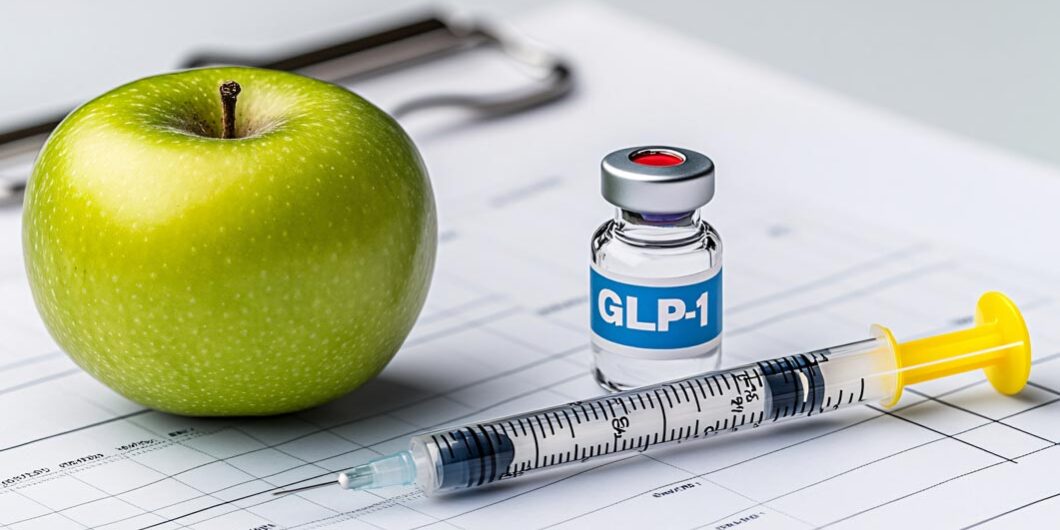
Obesity is defined by WHO as a Body Mass Index (BMI) of 30 or higher in adults. GLP-1 receptor agonists—including liraglutide, semaglutide, and tirzepatide—support weight loss, improve blood sugar control, and reduce risks of cardiovascular and kidney complications.
Next Steps
As part of its global obesity acceleration plan, WHO will work with Member States throughout 2026 to develop a transparent and equitable framework to guide prioritization and access. FANIS will continue to track these developments and support Ghana’s stakeholders with timely, evidence-informed insights.