

Hot Drinks in Plastic Bottles: A Growing Health Risk on Our Streets
Written By: Ebenezer Yamoah
Every morning, thousands of Ghanaians buy hot tea, porridge, and other breakfast drinks served in thin plastic bottles. The practice is widespread, convenient, and often taken for granted. But new scientific evidence suggests that drinking hot liquids from these plastics may expose consumers to harmful chemicals that pose long-term health risks.
Recently, I watched a young man purchase hot tea packaged in a thin, flexible bottle at a bus stop. That moment highlighted a silent public health problem happening daily across the country.
Why These Plastics Are Unsafe for Heat
Many of the plastics used for hot beverages on the streets are not designed to withstand high temperatures. Some of them are made from, or behave similarly to, polyvinyl chloride (PVC) — a type of plastic that contains chemical additives such as plasticizers (phthalates), stabilizers, and residual monomers. These additives are not tightly bound to the plastic.
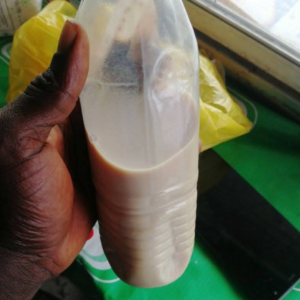
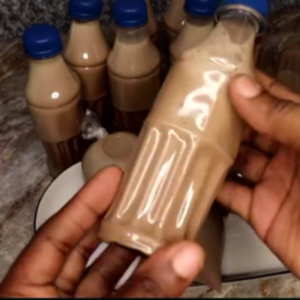
When exposed to heat, these chemicals can leach into the drink.
A 2021 study found that everyday plastic products can release hundreds of chemicals, many of which showed toxic effects in laboratory tests (Zimmermann et al., 2021). Researchers warn that the mixtures released by plastics may pose greater health concerns than previously assumed.
Heat Speeds Up Chemical Release
Multiple studies show that the higher the temperature, the greater the chemical migration from plastics.
A study on PVC materials found that when water was heated to 70°C inside PVC structures, the resulting liquid had significantly higher toxicity compared to water at 20°C, confirming that heat accelerates chemical leaching (Olkova, 2021).
A 2024 review of food-packaging materials concluded that both temperature and duration of contact are major drivers of chemical migration into food (Gupta et al., 2024). Commonly migrating chemicals include phthalates, which are linked to hormone disruption and reproductive harm.
Even research on PVC water pipes has shown that hot liquids extract far more organic substances than cold water (Shaikh et al., 2019) — reinforcing that these plastics are not suitable for heat.
Potential Health Risks
The chemicals released from these plastics, including phthalates and bisphenol-type substances, have been associated with:
-
Hormonal imbalance
-
Reduced fertility and reproductive issues
-
Developmental complications
-
Possible cancer risks
A University of Washington factsheet stresses that heating plastics increases chemical release, raising concerns about repeated exposure (UW DEOHS, 2014). Although a single cup of hot tea may not cause immediate harm, daily consumption increases cumulative exposure, especially in children and frequent buyers.
A Simple Step for Safety
The science is clear: hot food and drinks should not be served in thin, flexible plastic bottles.
To reduce risk, consumers are encouraged to:
-
Request cups or flasks designed for hot beverages
-
Carry reusable heat-safe containers
-
Buy from vendors who use approved, food-safe packaging
This is a small change that can prevent long-term health problems in our communities.
References
Gupta, R. K., Singh, R., Purohit, R., & Kumar, S. (2024).
Migration of chemical compounds from packaging materials to food. Foods, 13(19), 3125. https://doi.org/10.3390/foods13193125
Olkova, A. (2021).
Toxicity of water after short-term contact with PVC materials depending on the temperature and components of the polymer composition. Environmental Engineering & Protection, 27197050. https://doi.org/10.12912/27197050/139345
Shaikh, M. M., Ullah, S., Khan, M. A., & Al-Thabaiti, S. A. (2019).
Leaching of organic toxic compounds from PVC water pipes. Processes, 7(10), 641. https://doi.org/10.3390/pr7100641
University of Washington Department of Environmental & Occupational Health Sciences (DEOHS). (2014).
Plastics and health factsheet.
https://deohs.washington.edu/sites/default/files/documents/Plastics_Provider_Factsheet_Feb_2014.pdf
Zimmermann, L., Dierkes, G., Ternes, T. A., & Völker, C. (2021).
Plastic products leach chemicals that induce in vitro toxicity under realistic use conditions. Environmental Science & Technology, 55(16), 11814–11823. https://doi.org/10.1021/acs.est.1c01103