April 2026 | FANIS News Desk
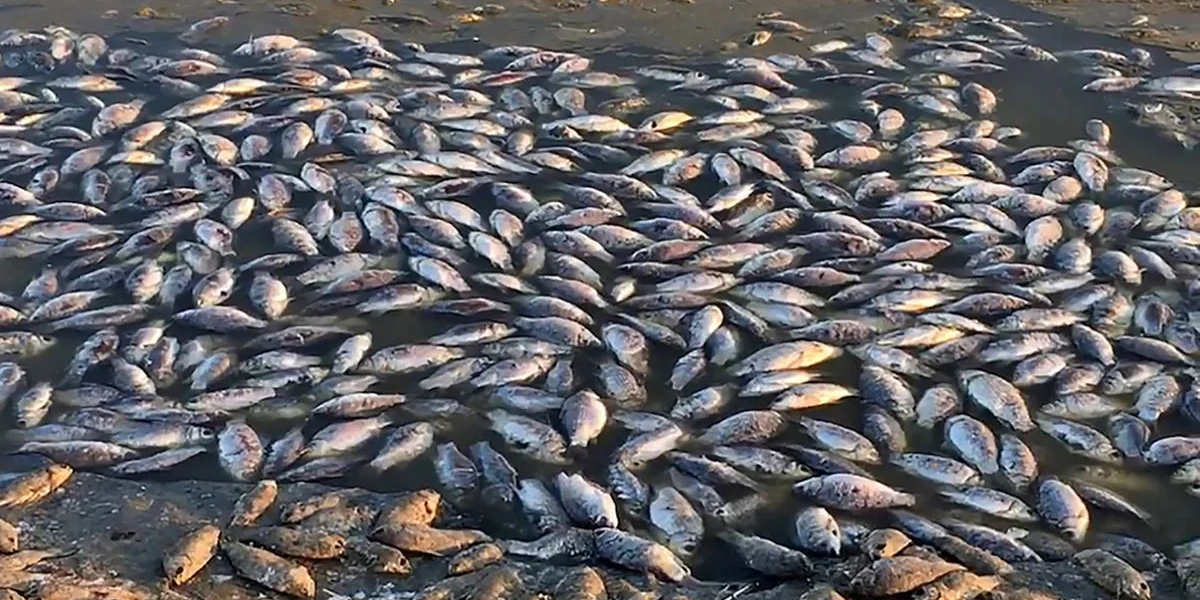
A mass fish mortality incident at the Tema Shipyard in the Greater Accra Region has triggered a national food safety alert and prompted a coordinated multi-agency investigation involving key regulatory and public health institutions.
The incident was first detected in the early hours of April 6, 2026, when security personnel observed large quantities of dead fish within a 50-metre radius of the main unloading ramp at the shipyard between 5:00 a.m. and 6:00 a.m.
Multi-Agency Response Activated
Following the discovery, a joint rapid-response team was deployed, comprising officials from the Food and Drugs Authority, the Fisheries Commission, the Ghana Health Service, the Tema Metropolitan Assembly, and the Criminal Investigations Department.
Authorities confirmed that the area was immediately secured to prevent further movement of fish from the site. Preliminary statements from the joint team indicate that there is currently no evidence of deliberate sabotage or a widespread public health emergency.
Between 60 and 80 fish samples, alongside water samples from the affected area, have been collected and placed under strict chain-of-custody procedures for laboratory analysis to determine the cause of the mortality event.
Public Health Assessment
The Ghana Health Service has assured the public that initial risk assessments show no immediate public health threat. However, officials have raised concern that some fish may have been removed from the area before containment measures were fully enforced.
As a precaution, surveillance activities have been intensified, and security at the site has been reinforced to prevent unauthorized access.
All fish identified at the site have since been safely removed and disposed of due to decomposition and infestation, rendering them unfit for consumption.
Public Advisory Issued
Authorities have issued a public health advisory urging citizens to exercise caution and adhere to the following guidance:
- Avoid harvesting, purchasing, or consuming fish or seafood from the Tema Shipyard area and surrounding waters until further notice
- Continue purchasing fish only from certified and regulated cold-chain markets
- Cook fish thoroughly, ensuring an internal temperature of at least 63°C
- Report sightings of dead or distressed fish to the FDA hotline: 0551 112 224/5 or the nearest FDA office
- Seek immediate medical attention if symptoms such as nausea, vomiting, diarrhoea, dizziness, or skin irritation occur after fish consumption
Ongoing Investigation
Authorities have not yet determined the cause of the fish mortality event. Investigations are ongoing, with laboratory results expected to guide further action and policy response.
Possible environmental factors under consideration include water quality disturbances, pollution exposure, oxygen depletion, or biological contamination. Officials, however, caution that conclusions will only be drawn after scientific analysis is completed.

Public Advisory Issued
Authorities have issued a strong public advisory urging caution:
- Do not harvest, purchase, or consume fish or seafood from the Tema Shipyard or nearby areas until an official “All-Clear” notice is issued
- Fish from certified cold-chain markets outside the affected zone remains safe when cooked to an internal temperature of 63°C or above
- Report sightings of dead or distressed fish to the FDA Hotline: 0551 112 224/5 or the nearest FDA office
- Individuals experiencing symptoms such as nausea, vomiting, diarrhoea, dizziness, or skin irritation after consuming fish should seek immediate medical attention and inform their healthcare provider
Food Systems and Nutrition Implications
The mass fish mortality event at Tema Shipyard has implications that extend beyond an isolated environmental incident, affecting multiple dimensions of Ghana’s food systems, nutrition security, and public health resilience.
1. Food Safety and Surveillance Systems
The incident highlights the importance of robust and timely food safety surveillance systems, particularly in high-risk coastal and industrial zones. While the rapid inter-agency response demonstrates institutional readiness, gaps remain in real-time environmental monitoring and early warning mechanisms. Strengthening routine water quality surveillance and integrating it with fisheries monitoring could help detect risks earlier and prevent contaminated products from entering the food chain.
2. Fish Value Chain Disruption and Market Risks
Fish plays a central role in Ghana’s food system, especially through informal and peri-urban markets. Any disruption at landing sites such as Tema can quickly cascade through supply chains, affecting traders, processors, and consumers. The possibility that some fish may have been removed before containment highlights vulnerabilities in traceability and enforcement within informal distribution channels, increasing the risk of unsafe fish reaching markets.
3. Nutrition Security and Dietary Impact
Fish is a key source of high-quality protein, essential fatty acids, and micronutrients such as iron, zinc, and iodine in the Ghanaian diet. Events that reduce consumer confidence or disrupt supply can have short-term and potentially longer-term implications for diet quality, especially among low-income households who rely heavily on fish as an affordable protein source. Repeated incidents of this nature may also shift consumption patterns toward less nutritious alternatives.
4. Environmental Health and Ecosystem Integrity
Mass fish deaths are often indicative of underlying environmental stressors such as water pollution, low dissolved oxygen levels, industrial discharge, or harmful algal blooms. Regardless of the final cause, the incident highlights the close interconnection between environmental health and food system safety. Protecting aquatic ecosystems is therefore not only an environmental priority but also a critical nutrition and food security intervention.
5. Food Systems Governance and Coordination
The coordinated response by regulatory and health agencies reflects an improving governance structure. However, the incident reinforces the need for a more integrated food systems approach, where environmental agencies, fisheries regulators, and public health institutions operate within a unified surveillance and response framework. Strengthening coordination will be key to preventing similar events and safeguarding public trust in fish supply systems.
FANIS Perspective
The Tema incident is a reminder that food safety is central to nutrition security. Ensuring that food is not only available but also safe requires strong coordination between regulatory agencies, environmental monitoring systems, and market controls.
As Ghana continues to strengthen its food systems, investing in early warning systems, enforcement, and public awareness will be critical to preventing similar incidents and protecting public health.
Sources
- Food and Drugs Authority Joint Press Release (April 2026)
- Ghana Health Service Public Statement on Tema Fish Mortality
- Fisheries Commission Incident Response Brief
- Media reports from Graphic Online, Citi Newsroom, and MyJoyOnline on the Tema Shipyard fish mortality incident