Plant-Based Proteins May Help Lower High Blood Pressure Risk
Date: December 23, 2025
By: Ebenezer Yamoah, FANIS
High blood pressure (hypertension) is a leading health concern in Ghana and a major risk factor for heart disease, stroke, and kidney failure. In Ghana, recent data show that around one in five adults aged 18–69 years live with elevated blood pressure (≈21.7 %) and that prevalence increases with age, reaching over 45 % in older adults aged 45–59 years (World Health Organization STEPS Report, 2023). Additionally, national analyses of multiple studies estimate that about 30 % of Ghanaians may have hypertension when averaged across the wider adult population, with rates higher in urban communities (≈31.7 %) than rural areas (≈23.4 %) (Addo et al., 2021).
Despite this high burden, awareness, treatment, and control of hypertension remain low in many parts of the country, leaving many people at risk of complications.
Amidst this backdrop, emerging research highlights that plant-based proteins may play a role in reducing hypertension risk.
What the Evidence Says About Plant Proteins
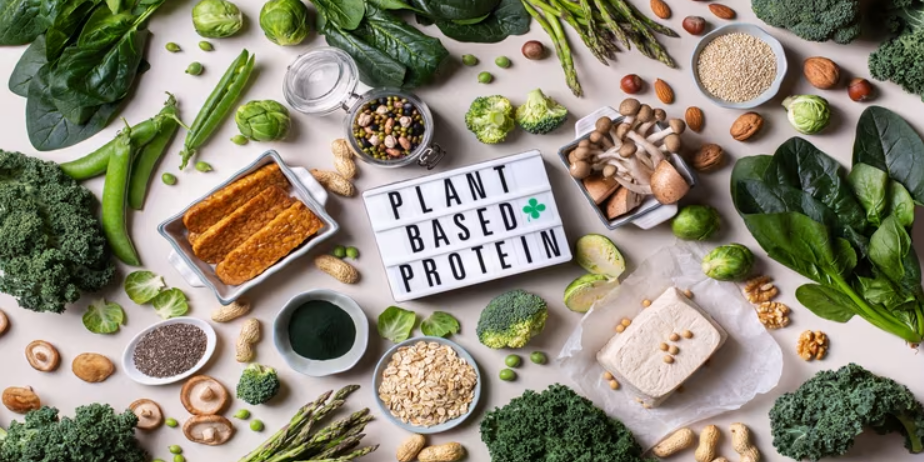
Scientific studies suggest that consuming higher amounts of plant-based proteins such as beans, lentils, peas, nuts, seeds, and whole grains may be linked with a lower risk of developing high blood pressure (American Heart Association [AHA], 2025). Specifically, it was found that each additional 20 grams of plant protein per day was associated with meaningful reductions in hypertension risk compared with lower intake levels (AHA, 2025).
By contrast, animal protein intake alone did not show consistent protective effects, which suggests that the benefits may be tied to the overall nutritional profile of plant foods, including fibre, minerals, and plant compounds. (AHA, 2025).
Why Plant-Based Proteins May Help
Plant proteins tend to be accompanied by nutrients known to support healthy blood pressure, such as fibre, potassium, and magnesium, and are typically lower in saturated fats compared to many animal protein sources (Hernández-Alonso et al., 2023; Naghshi et al., 2020). These components may help relax blood vessels, improve vascular function, and reduce inflammation—mechanisms important for maintaining normal blood pressure.
Additionally, some amino acids abundant in plant proteins such as L-arginine may contribute to nitric oxide production, which helps blood vessel walls relax and supports improved blood flow and pressure regulation (Mente et al., 2017).
Practical Recommendations for Ghana
For Ghanaians aiming to reduce or prevent high blood pressure, incorporating affordable and culturally familiar plant protein sources into daily meals can be a practical strategy. Examples include:
- Legumes: cowpeas, groundnuts, soybeans, bambara beans
- Whole grains: millet, sorghum, brown rice
- Seeds and nuts: sesame seeds, groundnut (nkate), cashews
- Beans: black beans, kidney beans
These foods not only provide protein but also fibre, micronutrients, and phytonutrients associated with cardiovascular health.
Conclusion
Current evidence suggests that higher consumption of plant-based proteins may contribute to lower hypertension risk, particularly when included as part of a balanced, minimally processed dietary pattern. Given the high prevalence of hypertension in Ghana, encouraging the consumption of plant proteins alongside other healthy lifestyle practices could improve population health and reduce the burden of non-communicable diseases.
References
Addo, J., Smeeth, L., & Leon, D. A. (2021). Prevalence of hypertension in Ghana (pooled estimate). Systematic Reviews, 10(1), Article 220. https://doi.org/10.1186/s13643-021-01770-x
American Heart Association. (2025, May 15). Plant-based proteins may help lower high blood pressure risk. https://www.heart.org/en/news/2025/05/15/plant-based-proteins-may-help-lower-high-blood-pressure-risk
Hernández-Alonso, P., Salas-Salvadó, J., Ruiz-Canela, M., Corella, D., Estruch, R., & Fitó, M. (2023). Plant-based dietary patterns and blood pressure: A systematic review and meta-analysis. Advances in Nutrition, 14(3), 623–639. https://doi.org/10.1016/j.advnut.2023.02.006
Mente, A., Dehghan, M., Rangarajan, S., McQueen, M., Dagenais, G., Wielgosz, A., Yusuf, S. (2017). Association of dietary nutrients with blood pressure: Results from the PURE study. The Lancet, 390(10107), 2050–2062. https://doi.org/10.1016/S0140-6736 (17)32253-0
Naghshi, S., Sadeghi, O., Willett, W. C., & Esmaillzadeh, A. (2020). Dietary intake of total, animal, and plant protein and risk of hypertension: A systematic review and dose–response meta-analysis. Journal of Hypertension, 38(11), 2134–2146. https://doi.org/10.1097/HJH.0000000000002547
World Health Organization. (2023). Ghana STEPS Report 2023: Noncommunicable diseases risk factor survey. WHO Afro.